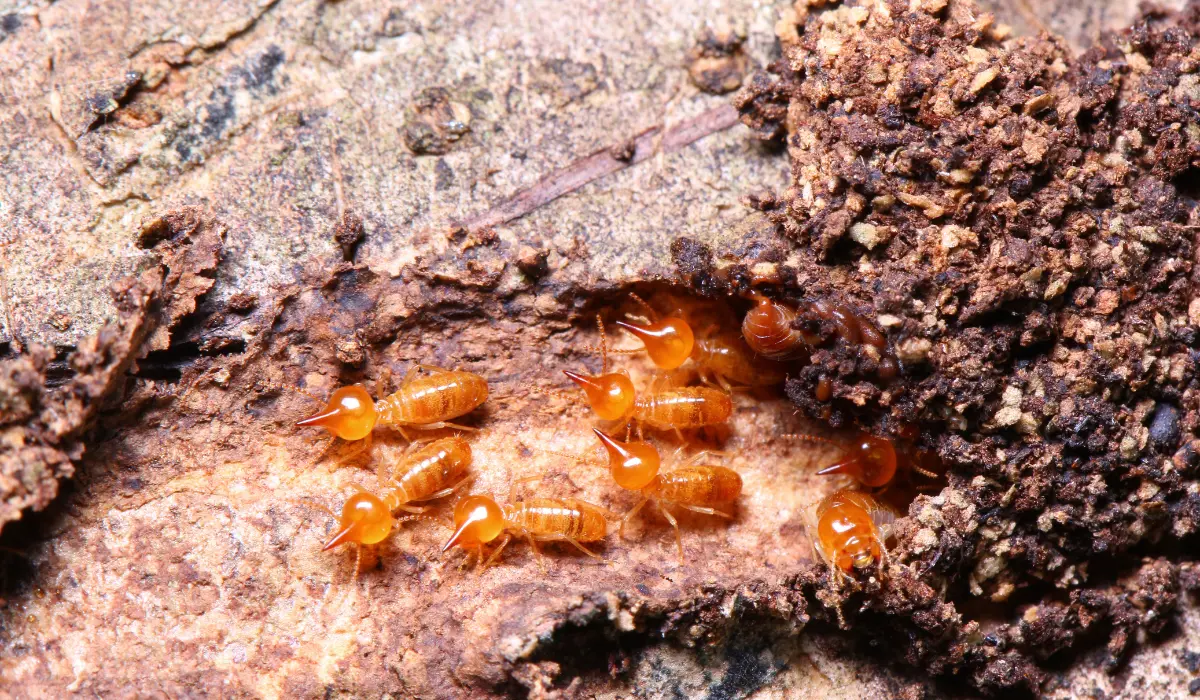
Termites in Florida are active for much of the year because our warm, humid climate gives them the moisture, wood, and shelter they need. Some termites live underground and enter homes through soil or foundation gaps. Others live directly inside dry wood, furniture, trim, or structural timbers. That difference matters because the signs and treatment options are not the same.
If you see wings, mud tubes, damaged wood, frass, or flying termites near lights, the next step is identification. The sooner you know which termite type is active, the easier it is to choose the right treatment plan.
Key Takeaways
- Florida homes can face subterranean, drywood, dampwood, and other termite pressure.
- Swarming season depends on the termite species and region.
- Mud tubes often point to subterranean termites.
- Drywood termites can leave pellet-like droppings called frass.
- Professional identification matters because termite treatments vary by species.
Why Termites Are A Year-Round Concern In Florida
Florida’s weather allows termite activity to continue longer than in many other states. Termites do not all behave the same way, but most need access to wood, cellulose, moisture, shelter, or protected nesting sites.
Local pest management experts explain that drywood and subterranean termites are two of the most common groups homeowners encounter. Dampwood termites can occasionally be found in homes, while other termite groups are found in Florida less often.
For homeowners, the practical point is simple: termite control starts with the right ID. A treatment that makes sense for subterranean termites may not solve a drywood termite infestation, and drywood termite options may not address underground colony activity.
Common Types Of Termites In Florida
Subterranean Termites
Subterranean termites live in the soil and need moisture to survive. They move from underground colonies to wood through protected tunnels called mud tubes. These tubes help them stay moist while traveling across foundations, walls, piers, crawl spaces, or other exposed surfaces.
Signs of subterranean termites may include:
- Mud tubes on walls, slabs, piers, or foundations
- Damaged wood near soil contact
- Hollow-sounding baseboards or framing
- Swarmers indoors or near windows
- Discarded wings
- Moisture problems near the structure
Subterranean termites can be especially challenging because the main colony may be outside or underground while workers feed inside the home.
Formosan And Asian Subterranean Termites
Formosan and Asian subterranean termites are invasive subterranean species that are important in Florida. Research shows that Asian subterranean termites can swarm in South Florida starting in early March, while Formosan subterranean termite swarming often begins in late April to early May.
Both can be serious because their colonies may become large and may also infest live trees. Around homes, that means termite pressure is not limited to the structure. Trees, stumps, landscape timbers, and soil around the property can also matter. Asian subterranean termites are common from Key West to West Palm Beach, and Formosan subterranean termites are established in many Florida locations.
Drywood Termites
Drywood termites live inside dry wood and do not need soil contact. That makes them different from subterranean termites. They can infest attic wood, framing, furniture, door frames, trim, and other wood materials.
Common drywood termite signs include:
- Tiny pellet-like droppings called frass
- Small kick-out holes in wood
- Discarded wings
- Swarmers indoors
- Blistered or damaged wood
- Hollow-sounding wood
Because drywood termites can stay hidden inside wood, damage may not be obvious right away. Our drywood termite control service is designed for Florida homes where drywood termite activity needs proper inspection and targeted treatment.
Dampwood Termites
Dampwood termites prefer wood with higher moisture levels. They are less common as structural pests than subterranean or drywood termites, but they can appear where wood stays damp.
They may be associated with:
- Leaks and poor drainage
- Wood-to-soil contact
- Damp crawl spaces
- Rotting wood and water-damaged framing
- Old stumps or logs near the home
Moisture correction is an important part of preventing dampwood termite problems. If the wood stays wet, the condition that attracted them remains.
Conehead Termites And Other Florida Species
Florida also has less common termite groups, including conehead termites and Florida dark-wing termites. State agricultural resources list dampwood, drywood, subterranean, and conehead termites as known termite types in Florida. Most homeowners will not identify these species on their own. If the termite does not clearly match common drywood or subterranean signs, a professional inspection is the right step.
Termite Season In Florida
Termite season in Florida is not one single date range. Swarming depends on species, weather, location, moisture, and colony maturity. In many parts of the state, termites may be active year-round, while swarms are more visible during certain months.
- Spring: Spring is one of the most important termite seasons in Florida. Warm, humid weather and rain can trigger swarming. In South Florida, Asian subterranean termites may begin swarming in early March. Other subterranean species may swarm later in spring.
- Late Spring And Early Summer: Formosan subterranean termites often begin swarming in late April to early May. Drywood termite swarms can also become more noticeable in late spring and summer. This is when homeowners often find discarded wings on windowsills, floors, counters, or near light fixtures.
- Summer: Summer heat and humidity can support termite activity, especially around moisture, landscaping, crawl spaces, wood debris, and structural gaps. Drywood termite activity may continue indoors even when no swarmers are visible.
- Fall And Winter: Florida termite activity can continue through fall and winter, especially indoors or in warmer parts of the state. Cooler months can still be a good time to inspect, repair moisture issues, remove wood debris, and review termite protection before the next major swarm period.
Signs Of Termites In A Florida Home
Termites are easy to miss because they often stay hidden. Look for these subtle signs:
- Mud tubes on exterior or interior surfaces
- Discarded wings near windows or doors
- Flying termites indoors
- Tiny pellet-like droppings
- Small holes in wood
- Hollow-sounding wood
- Bubbling or blistered paint
- Wood that breaks apart easily
- Sagging floors or damaged trim
- Door or window frames that seem warped
The most important detail is location. Mud tubes near a slab or foundation point in a different direction than dry pellets under a window frame or piece of furniture.
Flying Termites Vs. Flying Ants
Flying termites and flying ants are often confused during swarm season. Both may appear around lights or windows, but they have different body shapes.
Termite swarmers usually have:
- Straight antennae
- A thick waist
- Two pairs of wings that are about the same length
- Wings that break off easily
Flying ants usually have:
- Bent antennae
- A narrow waist
- Front wings that are longer than the back wings
If you are unsure, collect a few dead insects or wings in a small bag or container for identification. Do not spray and wipe everything away before an inspection if you can safely preserve a sample.
What Attracts Termites To Florida Homes
Termites are attracted to wood, moisture, cellulose, and protected access points. Around Florida homes, the risk often increases when moisture and wood are close to the structure.
Common termite attractants include:
- Leaky plumbing and poor drainage
- Mulch piled against the foundation
- Wood-to-soil contact
- Old stumps, wood debris, or firewood stored against the home
- Cracks in slabs or foundations
- Gaps around utility lines
- Damp crawl spaces
- Unsealed exterior wood
Prevention is not only about treating termites after they appear. It is also about making the structure less easy for termites to reach and use.
What To Do If You See Termite Signs
If you find termite signs, avoid disturbing the area more than necessary. Do not tear out damaged wood, seal mud tubes, or spray visible termites before inspection. Those steps can make activity harder to trace.
A better first response is to:
- Take clear photos of the signs.
- Save wings, swarmers, or pellets if possible.
- Note where and when you found them.
- Check nearby moisture sources.
- Avoid moving infested furniture to another room.
- Schedule a professional termite inspection.
Experts note that termites generally require a pest management professional for control, even though homeowners can take prevention steps.
How Lume Pest Treats Termites
At Lume Pest, our termite service starts with inspection and identification. We look for signs of drywood termites, subterranean termites, entry points, moisture conditions, and areas where termites may be active but hidden.
Our termite control service includes options for Florida homes, including tent fumigation and no-tent termite solutions. Treatment recommendations depend on the termite type, activity level, structure, and inspection findings.
For subterranean termite protection, we also offer Trelona termite bait stations, which are installed around the home to intercept foraging subterranean termites. For certain drywood termite situations, our no-tent termite treatment may be an option after inspection.
How To Reduce Termite Risk Around Your Home
You cannot remove every termite risk in Florida, but you can make your home less attractive and easier to inspect. Start with moisture and wood contact:
- Fix plumbing and roof leaks quickly.
- Keep gutters and downspouts clear.
- Direct water away from the foundation.
- Keep mulch pulled back from exterior walls.
- Store firewood away from the home.
- Remove dead stumps, boards, and wood debris.
- Avoid wood-to-soil contact where possible.
- Keep crawl spaces and attic areas ventilated.
- Seal gaps around utility lines and exterior penetrations.
- Schedule regular termite inspections.
These steps are especially important before and during swarm season, when termite activity becomes more visible.
Get Help With Termites In Florida
If you are seeing mud tubes, wings, frass, damaged wood, or flying termites inside your home, we can help identify the termite type and recommend the right next step. Lume Pest provides termite inspections and treatment options for Florida homes, including drywood termite control, subterranean termite baiting, tent fumigation, and no-tent termite treatment when appropriate.
To request an inspection or free quote, contact Lume Pest and tell us where you are seeing termite signs.
Frequently Asked Questions
What Are The Most Common Termites In Florida? The most common termite groups Florida homeowners encounter are subterranean termites and drywood termites. Dampwood termites can also appear in moist wood, and other species such as Formosan, Asian subterranean, and conehead termites may occur in parts of the state.
When Is Termite Season In Florida? Florida termites can be active year-round, but swarming is often more visible in spring and early summer. Timing depends on species and region. In South Florida, some invasive subterranean termites may swarm as early as March.
What Are The First Signs Of Termites? Early signs can include discarded wings, flying termites indoors, mud tubes, frass, small holes in wood, hollow-sounding wood, or blistered paint. The exact signs depend on whether the termites are subterranean or drywood termites.
Are Flying Termites A Sign Of An Infestation? Flying termites indoors are a strong reason to schedule an inspection. Outdoor swarmers may come from a nearby colony, but indoor swarmers, wings, or repeated sightings should not be ignored.
Do All Termite Treatments Require Tenting? No. Some drywood termite infestations may require tent fumigation, but other situations may qualify for no-tent treatment or localized treatment. Subterranean termites are usually treated differently, often with bait stations or soil-based approaches. An inspection determines the right option.